Waiting to inhale - City Health highlights correct inhaler methods on World Asthma Day
06 May 2025
Annually, on 6 May, health agencies around the world commemorate World Asthma Day – Cape Town in particular has a high prevalence of asthma, especially in young children and adolescents.
Asthma is quite common in South Africa. It is also the most prevalent chronic illness among children.
Each year, City Health helps thousands of asthma sufferers of all ages manage their symptoms.
Between May 2024 and the end of April 2025, City Health pharmacies issued 8 912 inhalers for acute care and 34 431 inhalers for chronic care, highlighting both the scale of the issue and the importance of proper usage.
Inhalers for acute care are used to rapidly open the airways during asthma attacks or flare-ups, while a chronic care inhaler or steroid pump is a daily preventive medication that reduces airway inflammation to help control and prevent asthma symptoms over time.
‘There is no cure for asthma, but if it is managed effectively, then persons living with it can lead very healthy, happy and active lives. According to our clinic staff, the incorrect use of inhalers is one of the most common challenges. So whether you are an adult using an inhaler or responsible for a child with asthma, please be sure to administer doses correctly, and as directed by a medical professional. We are heading into winter, when asthma symptoms typically worsen, so now is the time to make sure that you are protected,’ said Mayoral Committee Member for Community Services and Health, Councillor Francine Higham.

Among the causes of asthma are allergies, environmental irritants, respiratory infections, exercise and emotional stress. Asthmatic episodes can also be triggered by certain medications, weather changes, and exposure to tobacco smoke.
TIPS ON EFFECTIVE INHALER USE
• Regularly check inhaler technique: Many people assume that they are using their inhaler correctly. Medication must reach your lungs, instead of going down your throat, which can easily occur with improper technique. From time to time, check in with your pharmacists or doctor to double check your method.
• Monitor and limit use of the acute (reliever) inhaler: Quick-relief inhalers are not designed to prevent, but rather to treat acute episodes. While they may appear to be more effective at the time, using them too often (more than three times a day) can actually mask the worsening of asthma and increase the risk of side effects like tremors and rapid heart rate. Frequent use is a sign that your asthma isn’t well controlled. It may warrant your doctor adjusting your chronic dose.
• Never share inhalers or use someone else’s inhaler: Using another person’s inhaler, or allowing others to use yours, can be dangerous due to the risk of contamination or spreading of unwanted illnesses.
• Rinse your mouth after using an inhaler: This helps remove any medication that may have settled in your mouth and throat, reducing the risk of fungal infections and other oral complications.
The public is urged to contact their nearest clinic or healthcare provider for assistance with asthma management and the effective use of inhalers.
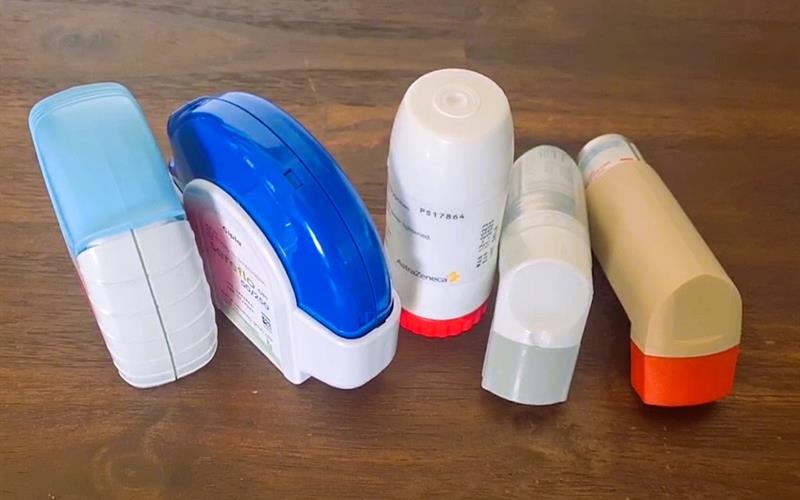
Caption 1: There are a number of different inhalers available for chronic and acute use
Caption 2: A file photograph of a child using his inhaler
End
Published by:
City of Cape Town, Media Office